
University of Rochester Medicine
Department of Microbiology and Immunology
Genome Architecture and Immune Cell Identity
Dr. Nicholas M. Adams is an Assistant Professor in the Department of Microbiology and Immunology at the University of Rochester. He earned his PhD in Immunology from Gerstner Sloan Kettering in 2019 and a BSc from Yale University in Biomedical Engineering and Molecular, Cellular and Developmental Biology in 2013.
The Hidden Blueprint of Immunity
Every immune cell contains the same DNA. So why do they behave differently? University of Rochester immunologist Dr. Nicholas Adams is uncovering how the organization of the genome determines immune cell identity, function, and future therapeutic possibilities.
By BioBuilt Editorial
Every cell in the human body carries the same genetic blueprint. A neuron, a muscle cell, and an immune cell all contain identical DNA, yet each performs a completely different role. Neurons transmit electrical signals, muscle cells generate movement, and immune cells defend the body against infection and disease. The question that has fascinated scientists for decades is how cells with the same genetic instructions develop such different identities.
For Dr. Nicholas Adams, Assistant Professor of Microbiology and Immunology at the University of Rochester, the answer lies not only in the genes themselves, but in the complex regulatory systems that determine which genes are activated and when. His research focuses on understanding how genome organization and transcriptional regulation shape immune cell identity, revealing the molecular programs that allow cells to acquire specialized functions.
“As an engineering student, I was fascinated by how complex systems are controlled through interconnected regulatory circuits,” Dr. Adams explained. “I soon realized that the immune system operates in much the same way.”
This engineering perspective has guided his approach to immunology. Rather than viewing immune cells as isolated components, Dr. Adams studies them as dynamic systems governed by layers of molecular regulation. He compares the genome to a library: genes are the books containing biological instructions, transcription factors act as librarians determining which books should be read, and epigenetics controls how the library itself is organized.
Understanding this organization is essential because a cell’s identity depends not only on the information encoded in its DNA, but also on how that information is accessed.
The Immune System’s Decision Makers
Among the many cells that make up the immune system, dendritic cells occupy a particularly important position. These cells act as biological sentinels, constantly monitoring the body for signs of infection, cancer, or tissue damage. When they detect a threat, they communicate that information to T cells, activating a targeted immune response. However, dendritic cells also serve an equally important purpose: preventing unnecessary immune activation.
“When no danger is present, dendritic cells help teach the immune system to tolerate the body’s own tissues, preventing autoimmune diseases,” Dr. Adams explained.
This ability to distinguish between danger and normal conditions places dendritic cells at a critical decision point. They must determine when the immune system should attack, when it should remain silent, and when an inappropriate response could lead to disease. Understanding how these cells develop and acquire their specialized functions may therefore reveal new opportunities to manipulate immune responses in conditions such as cancer, infection, and autoimmune disorders.
Rewriting the Instructions of the Cell
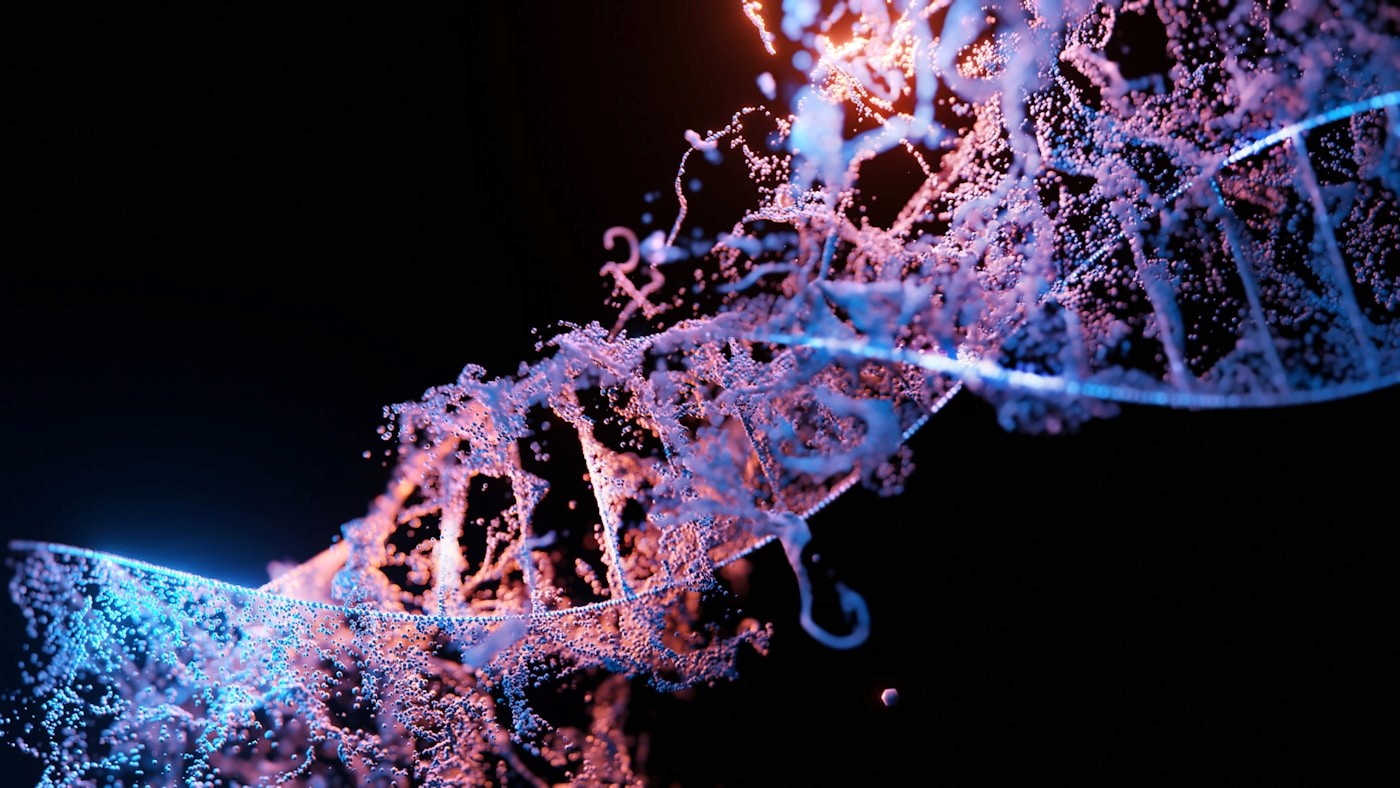
While genes contain the instructions required to build and operate a cell, those instructions must be carefully controlled. This is where chromatin organization becomes essential.
Chromatin refers to the structure that packages DNA inside the cell. Rather than existing as a loose string of genetic material, DNA is tightly organized and folded. Some regions remain accessible and active, while others are hidden away and unavailable.
Using his library analogy, Dr. Adams describes chromatin organization as the arrangement of the library itself. A book locked away in a restricted section cannot be read, even if it contains important information. Similarly, genes that are inaccessible within the genome cannot influence the behavior of a cell.
“Our work showed that this chromatin organization isn’t simply structural,” Dr. Adams said. “It actively programs immune cell identity long before the cell encounters an infection or tumor.”
This discovery suggests that immune cells are not simply reacting to their environments. Their future behavior is shaped in advance by the organization of their genetic information.
From Fundamental Biology to Future Therapy
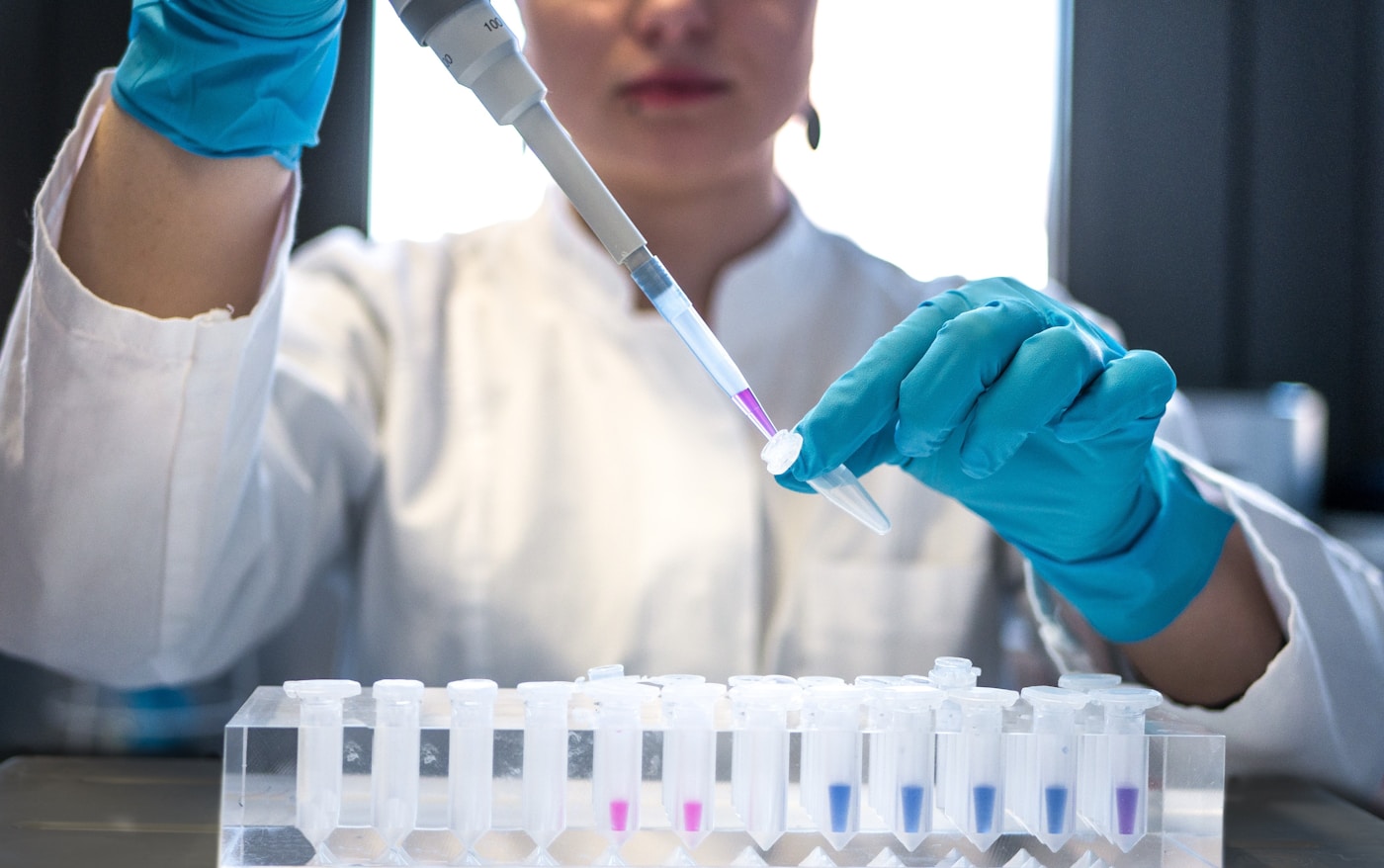
Although Dr. Adams studies fundamental questions about how cells work, the implications extend far beyond basic biology. Understanding the molecular programs that control immune cells could eventually lead to new approaches for treating disease.
“I’ve always believed that the best translational science begins with asking fundamental questions,” he said. “We often think of basic and translational research as separate, but I see them as part of the same continuum.”
Modern immunotherapy demonstrates the power of this approach. Before immune checkpoint inhibitors such as PD-1 and CTLA-4 became revolutionary cancer treatments, these molecules were simply subjects of basic research aimed at understanding how immune regulation works.
By uncovering the fundamental circuits that control immune cell behavior, scientists may discover new ways to enhance protective immunity against cancer and infection or restore immune tolerance in autoimmune disease.
Engineering the Future of Immunology
The field of immunology is now entering a new phase. Technologies such as single-cell sequencing have allowed researchers to identify enormous diversity among immune cells, revealing previously unknown cell states and behaviors. However, Dr. Adams believes the next challenge is moving beyond simply describing these differences.
“The challenge now is moving beyond description to understanding the molecular circuits that establish those states and determine how cells transition between them,” he said.
The future of immunology may depend on learning how to control these regulatory programs. Rather than only observing immune responses, researchers may eventually be able to precisely engineer them.
Dr. Adams’ own journey reflects the importance of combining disciplines. Before studying immunology, he earned a degree in biomedical engineering at Yale University, an experience that continues to shape his scientific approach.
“Engineering provides a way of thinking, a framework for breaking down complex problems, building models and identifying the key regulatory principles that govern a system,” he explained.
For students interested in biomedical innovation, his advice is to embrace the intersection of fields.
“The most exciting discoveries often happen at the interface of disciplines, where you can bring a fresh perspective to questions that others may approach differently.”
The immune system remains one of biology’s most complex networks. But by uncovering the hidden rules that govern immune cell identity, researchers like Dr. Adams are moving closer to a future where biology is not only understood, but precisely engineered.